
Evie McAffee – June 9th 2024
On a sunny Friday afternoon in Boise, Idaho, Erika Tingey, a beacon of empathy and dedication, sat in a rusted and weathered chair, candidly sharing stories from her career as a mental health professional and advocate. As the warm wind blew wild outside and the smell of dogwood trees carried in through a cracked window, Tingey remained focused. She passionately divulged patterns she has recognized in clients who use dating apps and concerns she has consciously observed in her work experience, “A lot of times, [dating apps] create insecurities, and you can get close to someone online without ever meeting them, and if they stop speaking to you or don’t turn out to be who you expect, it can mess with your head.”
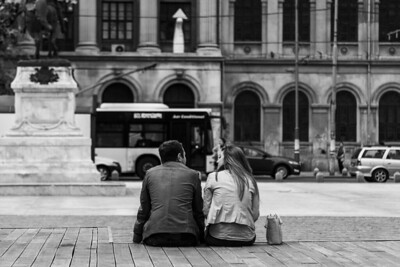
The human embrace has transitioned to a screen. Moments of genuine connection are dwindling as dating apps create a realm of parasocial relationships and raise mental health concerns among Tingey and her colleagues. As young men and women share anecdotes from their online dating experience, their emotions bubble over, leaving them frustrated and disheartened by the insecurities online dating has provoked within them.
Why Dating Apps?
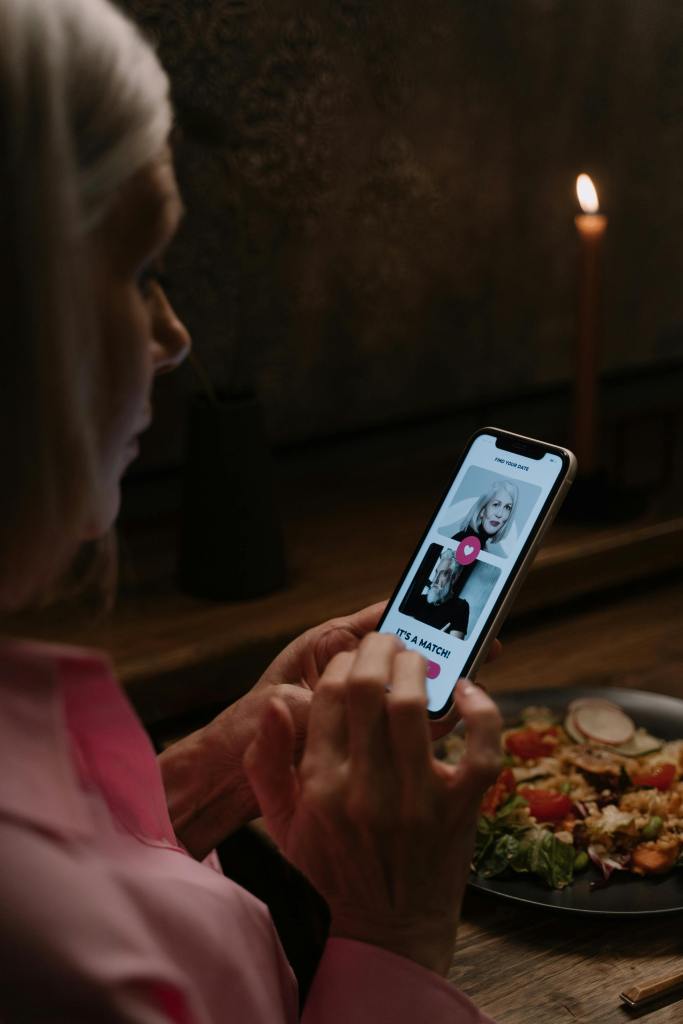
As the presence of dating apps continues to rise, people struggle to balance online relationships and search to understand how modern dating fits into the banality of everyday life. The first dating app, Match.com, was launched in 1995; online dating has since developed from computer-based services to smartphone applications like Tinder, Hinge, and Grindr. These apps have amassed several million users worldwide, searching for a once-in-a-lifetime romance.
Dating apps can provide a space to explore sexual identity and find a community. The ability to control who one meets can liberate users from unwanted attention. The simplicity of online dating has created a casual standard of communication. Conversations move quickly, connections feel more robust, and the ability to hide behind a screen creates a sense of ease and comfort (Echevarria, Peterson, et al.). A member of the Rainbow Continuum, an Oregon State University organization that provides LGBTQ+ students with a community of peers, shares that dating apps can be a great space to begin exploring sexual identity and the dating realm, “[dating apps] provide ease of access, if you want to get into the dating scene… it is a good first step.” Many users of dating apps turn to online dating as a way to build confidence and create rapport with fellow users. The apps can ease social anxiety and concerns of rejection, due to the ability to simply shut off the device, or “unmatch” poor connections.
Dangers and Detriments
The rapid development and growth of dating apps have continued to bring forth concerns regarding mental health. Sexual violence, exploitation, and harassment have seen a rise with the invention of dating apps. Users of dating apps are more likely to experience hypersexualization, leading to self-esteem issues, an increase in anxiety and depression, and higher rates of psychological distress in comparison to non-users. (Freire, Rema, et al.) Some users seek to combat low self-confidence with the use of apps, often times resulting in dating app-facilitated sexual violence (Echevarria, Peterson, et al.). Repeated sexual harassment and violence on dating apps can lead to hypersexualization. The American Psychological Association released a 2007 report regarding sexualization of women in the media and its recurring link to hypersexualization and self-esteem issues. Their report suggests “sexualization and objectification undermine a person’s confidence in and comfort with [their] own body, leading to emotional and self-image problems, such as shame and anxiety.” The use of social media platforms like Instagram, Twitter, and Snapchat leading to hypersexualization, can be compared to the link between dating apps and hypersexualization. Dating apps like Tinder and Hinge, though more narrow in focus, are still considered to be a form of social media.
Curated Perfection
Joey Kraus, a University of Idaho student describes dating apps as “a curated snippet,” where she puts forth the best, most attractive, version of herself; one that she feels the need to uphold while interacting with someone from an app. There is a casual element to her presence. She is authentic and honest, as she explores the impact online dating has had on her life. Although she uses Tinder, she still prefers in-person dating. She is fearful of meeting someone from a dating app, often ridden with worry that she may not live up to the idea of her they have in their head. She automatically trusts users less, creating an unsettled foundation for a relationship. In between sips of her coffee, she explains why she favors organic interactions, and has never been on a date with someone from a dating app, “There is a different chemistry when you meet someone in person. Being there physically with each other face to face, I can interact more naturally and be more myself. When I start talking to someone on a dating app, I don’t feel I can show my quirks.”
There is something about dating apps that keeps Kraus, and millions of other users clinging onto a right swipe, despite their reservations. Each swipe drives users closer to the “one” while simultaneously pushing them deeper into the depths of insecurity and anxiety. Gabriel Bonilla-Zorita and his teammates conducted a study which, “pointed out that sociability, anxious attachment style, social anxiety, lower conscientiousness, higher sensation-seeking, and sexual permissiveness were associated with higher use of online dating,” the short-term gratification of dating apps and “likes” can be linked to dysfunctional coping skills used to face unpleasant emotions. (Bonilla-Zorita, Gabriel, et al. )
What About Me?
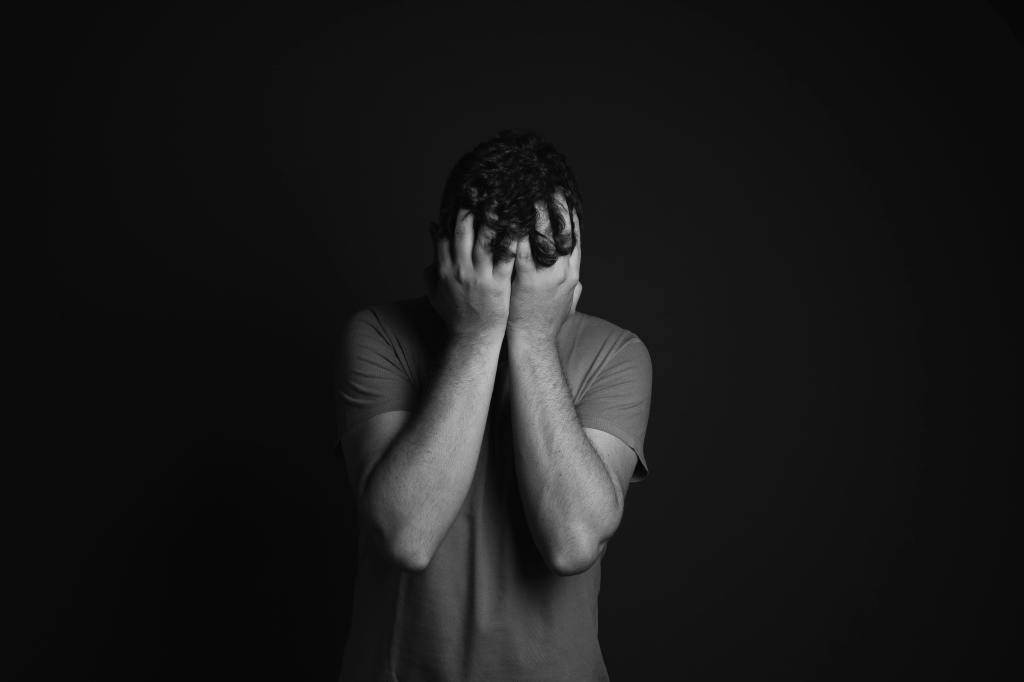
Although dating apps can create a space for LGBTQ+ individuals to safely explore their identity, those who are a part of a sexual minority are 56% more likely to report receiving sexually inappropriate images or messages compared to their heterosexual peers, as well as experience more threats of physical harm (Echevarria, Peterson, et al.). The fear of safety and dwindling self-esteem creates a hostile environment for many LGBTQ+ individuals who desire an authentic relationship.
A warm breeze continued to blow leaves towards the dusty concrete sidewalks, as a Rainbow Contiuum member, who wishes to remain anonymous, is overcome with emotion as they describe their experience on dating apps, “It’s really difficult as a trans-masculine individual and also a lesbian. I’m very clearly masculine presenting, but a lot of people don’t like that…It’s difficult because no matter how hard I try, I’ve only been on a single date because many people don’t want someone like me… it is hurtful.” The Zoom call audio crackles as they recount how dating apps have exacerbated pre-existing self-esteem issues and perpetuated harm among their mental health. Dating apps are a breeding ground for insecurities; when users aren’t met with many matches or “likes,” it leads to feelings of inadequacy.
In a modern world that is ever-changing, users seemingly have two options; succumb to the pressures and join online dating, or grasp onto the hope that love can still exist beyond a screen. Between grumbles of frustration and complaints, millions of people still turn to dating-apps for gratification, and hopes of love being one-swipe away. Rather than advising against dating apps altogether, Erika Tingey offers one final piece of advice to users, “Stay educated; online safety is so important. You have to try and remember to take it at face value; just know your intentions [and] take care of yourself.”
Work Cited
American Psychological Association. (n.d.). Sexualization of girls is linked to common mental health problems in girls and women. American Psychological Association. https://www.apa.org/news/press/releases/2007/02/sexualization
Echevarria, S. G., Peterson, R., & Woerner, J. (2023). College Students’ Experiences of Dating Apps Facilitated Sexual Violence and Associations with Mental Health Symptoms and Well-Being. The Journal of Sex Research, 60(8), 1193–1205. https://doi.org/10.1080/00224499.2022.2130858
Marciano, A., David, Y., & Antebi-Gruszka, N. (2024). The interplay of internalized homophobia, compulsive use of dating apps, and mental distress among sexual minority individuals: Two moderated mediation models. Computers in Human Behavior, 156. https://doi.org/10.1016/j.chb.2024.108241
Freire, D., Rema, J., & Novais, F. (2023). Dating Apps and Mental Health Status: Is There a Link? Journal of Psychosexual Health, 5(3), 167–173. https://doi.org/10.1177/26318318231213501
Ciocca, G., Fontanesi, L., Robilotta, A., Limoncin, E., Nimbi, F. M., Mollaioli, D., Sansone, A., Colonnello, E., Simonelli, C., Di Lorenzo, G., & Jannini, E. A. (2022). Hypersexual Behavior and Depression Symptoms among Dating App Users. Sexes, 3(2), 298–30
Bonilla-Zorita, Gabriel, et al. “Online Dating and Problematic Use: A Systematic Review.” International Journal of Mental Health and Addiction, vol. 19, no. 6, 2021, pp. 2245–78, https://doi.org/10.1007/s11469-020-00318-9.
 Everette McAffee
Leave a comment